<iframe allowfullscreen width='640' height='360' src='//assets.nationalgeographic.com/modules-video/latest/assets/ngsEmbeddedVideo.html?guid=00000163-5f4b-d128-a1f7-5f5f0cd80000' frameborder='0' scrolling='no'></iframe>
The three brands that did
not contain microplastics are from Taiwan (refined sea salt), China
(refined rock salt), and France (unrefined sea salt produced by solar
evaporation).
Sunday, November 4, 2018

Wednesday, July 1, 2015
Food Unit--Resources
Selena in my ECCS course shared this video with us:
I'd like to work these themes into my Food Chemistry unit for this fall.
There's also a great video about the Beacon Hill Food Forest:
I'd like to work these themes into my Food Chemistry unit for this fall.
There's also a great video about the Beacon Hill Food Forest:
Monday, June 22, 2015
Income Inequality--Neighborhood Trees
Take a look at these two posts on Income Inequality. It would be wonderful if my students to determine what streets in their neighborhood they'd like to install trees on, and create a matching-drive donation to install trees on another street in a low-income area of the city. I might know a community contact to help with this project.

Urban Trees Reveal Income Inequality
The first explains how trees aren't just for a decorative street--but a healthy one.
Income Inequality--As Seen From Space
This second post displays some shocking differences between rich and poor areas within the same city.
Urban Trees Reveal Income Inequality
The first explains how trees aren't just for a decorative street--but a healthy one.
Income Inequality--As Seen From Space
This second post displays some shocking differences between rich and poor areas within the same city.
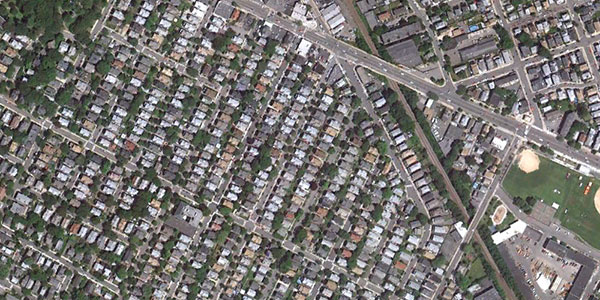 | |
| Is this a rich or poor neighborhood? |
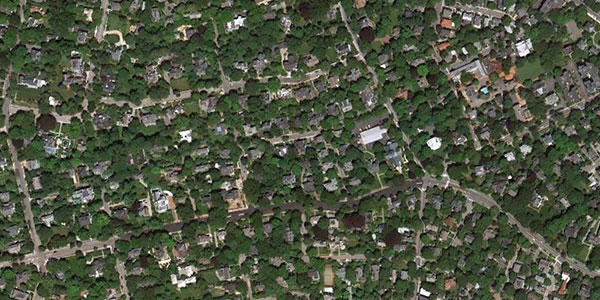 |
| How about this one? Images courtesy of PerSquareMile.com |
Wednesday, March 25, 2015
Wednesday, February 25, 2015
Hello!
Here I will keep track of the work I'm doing for my Master's Program and the Resources I want compiled to use.
Winter 2015: Issues in Biodiversity
I worked to improve the habitat for our local wildlife by making some improvements on my condo property. We installed some native plants to attract pollinators and provide a variety of food sources for birds and other critters. See my Backyard Habitat page.
Winter 2015: Conservation of Big Cats
Storytelling! Teachers must use storytelling with students to encourage their creativity, evoke their emotions, and impact their lives.
Share this and create stories to tell: The Importance of Storytelling in Conservation Efforts
Fall 2018: Edible Foods of the Pacific Northwest
Leaves and Flowers, Culture and Evolution! I learned scientific terminology for communicating about leaves and flowers, and how to correctly identify 30 local species. In the classroom, I added leaf study to my nature journal lessons.
Winter 2015: Issues in Biodiversity
I worked to improve the habitat for our local wildlife by making some improvements on my condo property. We installed some native plants to attract pollinators and provide a variety of food sources for birds and other critters. See my Backyard Habitat page.
Winter 2015: Conservation of Big Cats
Storytelling! Teachers must use storytelling with students to encourage their creativity, evoke their emotions, and impact their lives.
Share this and create stories to tell: The Importance of Storytelling in Conservation Efforts
Fall 2018: Edible Foods of the Pacific Northwest
Leaves and Flowers, Culture and Evolution! I learned scientific terminology for communicating about leaves and flowers, and how to correctly identify 30 local species. In the classroom, I added leaf study to my nature journal lessons.
Subscribe to:
Comments (Atom)